
Airbnb Amenity Upgrades That Increase Nightly Rates: The 2026 Data-Backed Guide
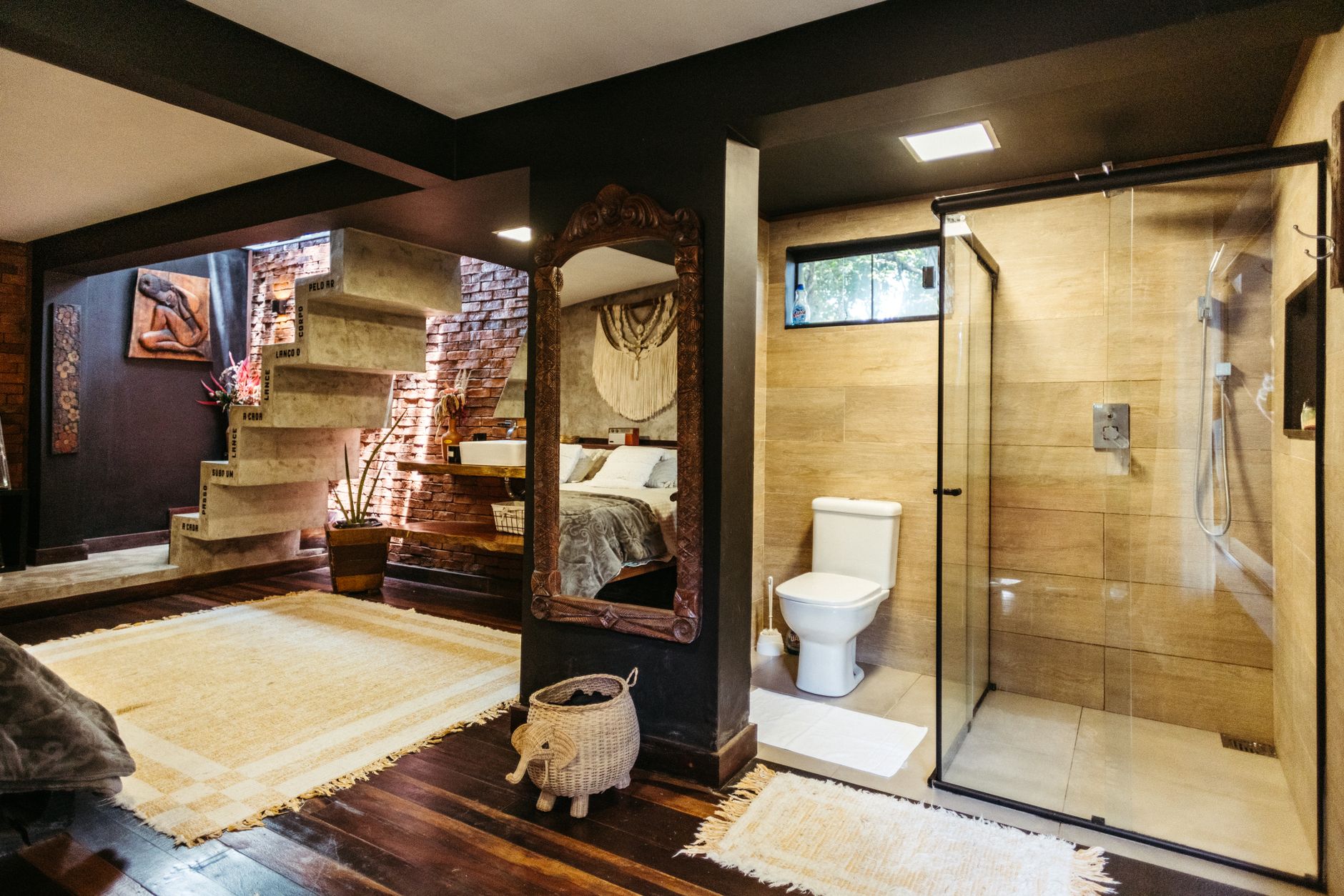
With Airbnb’s 2026 summer release now live and the platform’s new “Amenity Impact” beta showing hosts exactly which features drive booking probability, the game has changed. Hosts who once guessed at upgrades now have real-time data on what actually moves the needle on pricing power. If you’re still relying on “nice to have” extras without tracking their return, you’re leaving money on the table during the busiest travel year on record.
This guide breaks down the Airbnb amenity upgrades that increase nightly rates based on current market data, host experiments, and what travelers are actually willing to pay premium prices for in 2026.
The EV Charging Station: Your Highest-ROI Upgrade in 2026
Electric vehicle sales crossed 22% of all new car purchases this year, and road-trip travelers are increasingly anxious about charging access. Hosts who install Level 2 EV chargers are seeing measurable results.
The numbers that matter:
- Average nightly rate increase: $23-$47 per night
- Installation cost after federal tax credits: $400-$800
- Payback period: Often 20-30 booked nights
The key is positioning. Don’t bury “EV charger available” in your amenities list. Lead with it in your title during peak road-trip seasons (May-September, December holidays). One host in Asheville, North Carolina, reported a 34% revenue jump after adding “Tesla/EV Charging” to their listing title—guests actively filter for this now.
Pro tip: If full installation isn’t feasible, partner with a local electrician for a 240V outlet (NEMA 14-50) and provide the portable charger. Market it as “Bring your own Level 2 charging—outlet ready.” Costs drop to ~$300, impact remains significant.
Smart Home Ecosystems: The “Effortless Stay” Premium
Travelers in 2026 aren’t impressed by a single smart speaker. They want integrated experiences that reduce friction throughout their stay. The hosts winning rate increases are building cohesive ecosystems, not buying random gadgets.
The winning combination:
- Smart lock with self-check-in + automated entry codes
- Voice-controlled climate and lighting
- Smart blinds or blackout integration
- Unified app control (not five different apps)
Hosts report $18-$35 nightly increases when they market this as “Zero-Friction Smart Stay” rather than listing individual devices. The psychology matters—guests pay for time saved and stress eliminated, not for technology itself.
A Portland host tested this explicitly: identical units, one marketed with “smart home features” bulleted out, one with “The 30-Second Arrival: park, unlock, set temperature, start relaxing—all before you take off your coat.” The second description with integrated positioning commanded 22% higher rates with identical hardware.
Budget-conscious approach: Start with a $150 smart lock and $200 thermostat integration. Build outward as revenue increases. Even this basic pairing, marketed as “Seamless Arrival Experience,” shows 12-15% rate bumps in competitive markets.
Dedicated Workspace 2.0: Beyond the Desk and Chair
Remote work isn’t post-pandemic nostalgia—it’s permanent for 38% of business travelers in 2026. But the bar has risen dramatically. A folding table in the corner no longer qualifies as “laptop friendly.”
What commands premium rates now:
- Ergonomic chair (Herman Miller, Steelcase, or comparable—guests recognize quality)
- 27-inch+ external monitor with USB-C hub
- Ring light or well-positioned natural lighting
- Dedicated high-speed internet tier (market the actual speed: “300 Mbps upload for video calls”)
- Printer/scanner for longer stays
The rate increase here is $28-$55 nightly for business travel segments, but the real win is minimum stay extension. Remote workers book 4.2x longer average stays. One Austin host replaced a 2-bedroom’s second bed with a proper office setup and saw average booking value rise 67%—fewer turnovers, higher rates, less wear.
Critical detail: Photograph the workspace from the seated perspective, not standing above it. Guests want to see themselves working there. Include a speed test screenshot in your listing photos.
The “Local Experience” Infrastructure
Here’s where most hosts miss opportunity. Guests increasingly want to live in your destination, not just sleep there. The amenities that enable this—properly marketed—command surprising premiums.
High-impact investments:
- Quality outdoor cooking setup: Not a rusted Weber. A Kamado Joe or comparable with local hardwood, proper tools, and a printed guide to regional grilling traditions. Rate impact: $15-$30/night in warm-weather markets.
- Adventure gear library: Bikes with local trail maps, paddleboards with launch recommendations, or even hiking poles with curated route cards. Rate impact: $12-$25/night, plus dramatically improved reviews mentioning “they thought of everything.”
- Local pantry starter: Beyond coffee and salt. Regional hot sauce, local bakery bread frozen for arrival, area brewery’s flagship six-pack. Cost: $15-25. Rate justification: $20-$40/night when marketed as “Arrive and Experience” package.
A Bend, Oregon host built a “Trail-to-Table” package: quality bikes, post-ride recovery amenities (foam rollers, local craft beer), and a printed guide to their actual favorite rides and restaurants. Their shoulder-season rates now match peak-season competitors.
Wellness Amenities: The Post-Pandemic Permanent Shift
Wellness tourism grew 21% in 2025 and shows no deceleration. But generic “gym access” or a yoga mat in the closet doesn’t capture this spending.
Differentiated wellness investments:
- Cold plunge or sauna: Even portable units. One Colorado host added a $2,800 portable sauna and saw $45/night increases with 89% occupancy versus 72% prior.
- Sleep optimization: Blackout systems, white noise machines, temperature-regulating bedding, circadian lighting. Market as “Recovery-Optimized Sleep System.”
- Meditation/relaxation space: Curated corner with cushion, local nature sounds, guided meditation QR codes for area hikes.
The premium here varies dramatically by market—$20-$75/night—but the review impact is consistent. “Best sleep I’ve had in months” appears repeatedly in 5-star reviews, driving algorithmic visibility that compounds the direct rate increase.
Calculating Your Upgrade ROI: The 2026 Framework
Before any purchase, run this quick math:
Target metric: Incremental revenue per 30 booked nights versus upgrade cost
Example: $400 EV charger installation ÷ $30 average nightly increase = 13.3 booked nights to break even. At 70% occupancy, that’s 19 calendar days.
Secondary factors to weigh:
- Review score impact (algorithmic visibility boost)
- Minimum stay extension potential
- Seasonal applicability (EV charging peaks in summer; cold plunge peaks in winter)
- Maintenance burden and replacement timeline
The hosts seeing genuine returns treat amenities as revenue infrastructure, not decoration. They track which upgrades guests mention in reviews, which drive direct booking inquiries, and which justify the premium pricing they test during high-demand windows.
Conclusion
The Airbnb amenity upgrades that increase nightly rates in 2026 share a common thread: they solve specific traveler anxieties or enable desired experiences, not just add “nice to have” features. The EV charging station addresses range anxiety. The integrated smart home eliminates arrival friction. The dedicated workspace extends viable stays. The local experience infrastructure differentiates from hotel alternatives. The wellness amenities capture a permanent behavioral shift.
Start with the upgrade that matches your market’s traveler profile and your current budget. Measure obsessively. Adjust based on actual booking data, not assumptions. The hosts who treat amenity investment as strategic business decisions—testing, measuring, iterating—are the ones whose rates climb while competitors race to the bottom on price.
Your next guest is already filtering for something specific. Make sure your listing—and your pricing—reflect that you’ve built exactly what they’re searching for.