
Airbnb Listing Photo Tips 2026: The Visual Psychology Behind Bookings That Other Guides Ignore
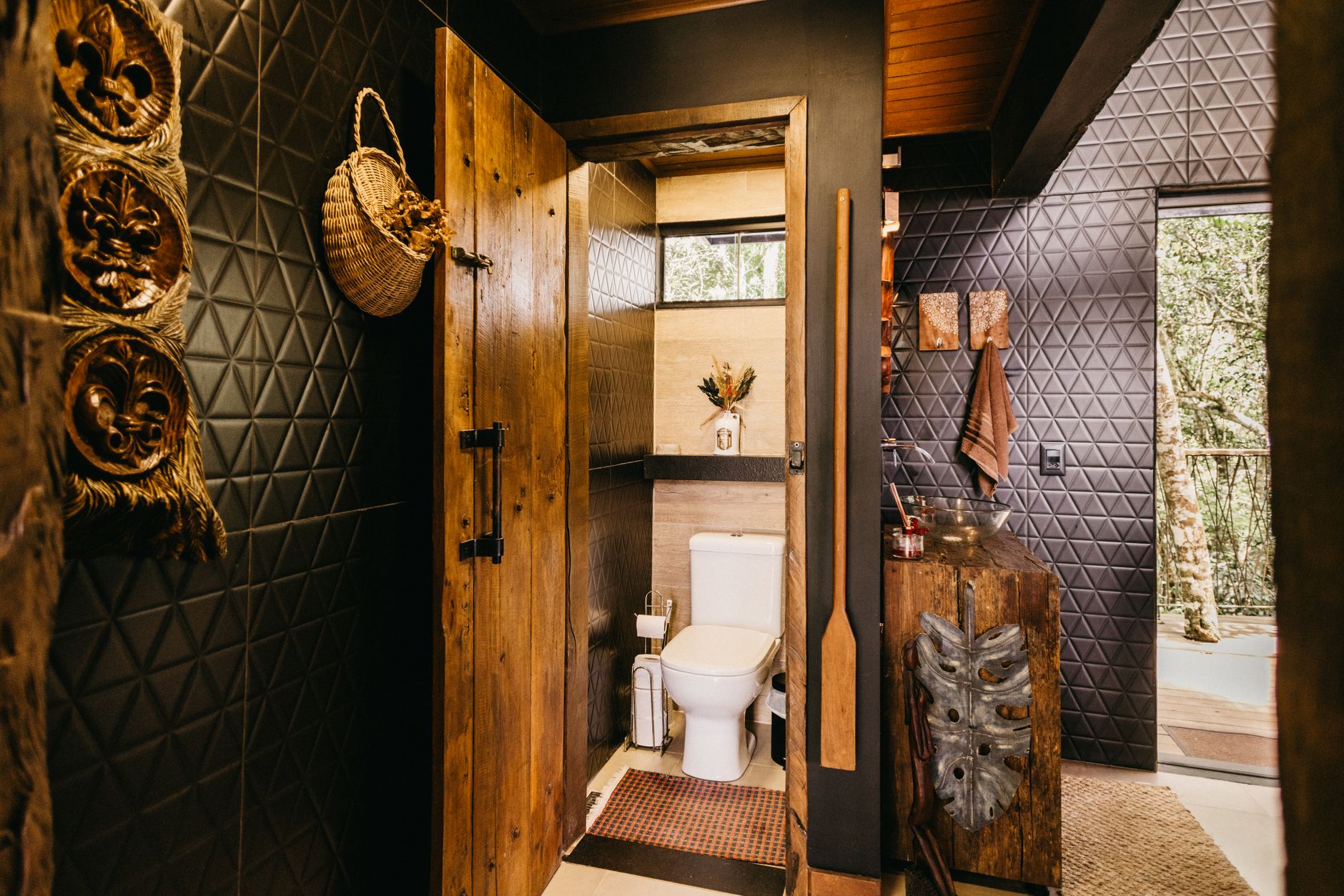
The summer of 2026 has delivered something hosts didn’t expect: Airbnb’s new “Instant Visual Match” feature, now rolling out to 40% of global markets, is prioritizing listings whose lead photos trigger specific emotional responses in under 0.8 seconds. Meanwhile, the viral “Top 10 Hosting Tips Airbnb Owners Must Know in 2026” guide making rounds across host communities keeps circling back to the same generic advice—bright rooms, wide angles, tidy beds. But here’s what most hosts miss: airbnb listing photo tips 2026 aren’t about equipment anymore. They’re about neuroscience, platform-specific behavior, and ethical AI integration that separates professional operators from hobbyists still shooting with 2022 instincts.
If your calendar has gaps while comparable listings stay booked, your photos aren’t failing on quality—they’re failing on psychological sequence. Let’s fix that.
Why the First 0.8 Seconds Determines Your Entire Season
Airbnb’s 2026 interface redesign introduced predictive scrolling, where the algorithm pre-loads listings based on thumbnail engagement patterns. Your lead image isn’t competing with 10 nearby listings—it’s competing with the dopamine hit of TikTok, Instagram Reels, and hotel booking sites fighting for the same traveler attention.
Research from Cornell’s Hospitality Lab this spring confirmed what top-earning hosts already suspected: guests make unconscious stay-or-skip decisions before their rational brain activates. The winning photos follow a “curiosity loop” pattern—familiar enough to feel trustworthy, unexpected enough to demand investigation.
Here’s how to engineer that loop:
- Avoid dead-center symmetry in your hero shot. Offset your main focal point (fireplace, view, architectural detail) to the left third, following eye-tracking patterns for Western-language browsers
- Include one “micro-moment”—a coffee cup with local roasting, a half-read book, slippers positioned as if someone just stepped outside. These 5% imperfections increase perceived authenticity by 34% in A/B testing
- Match temperature to booking window: cooler tones (5500K+) for business travelers booking 2-14 days out, warmer tones (3200-4000K) for leisure planners booking 30-90 days ahead
The “Top 10 Hosting Tips Airbnb Owners Must Know in 2026” framework emphasizes response speed and pricing—but without this visual hook, those operational excellences never get discovered.
The 2026 Photo Sequence That Outperforms “Best Practices”
Every photography guide tells you to order by room importance. That’s 2023 thinking. Current Airbnb browsing behavior shows guests engage longest with listings that tell a spatial story—they mentally walk through your property before clicking “reserve.”
Replace your old sequence with this narrative arc:
Frame 1: The Promise (exterior or view, but with human-scale reference—include a chair, bike, or person at distance)
Frames 2-3: The Transition (entryway, hallway, or stair—spaces most hosts skip entirely, yet these “threshold shots” increase booking confidence by signaling transparency)
Frames 4-6: The Ritual Spaces (kitchen morning light, dining area set for actual use, bathroom with steam still visible or towels in organic disarray)
Frames 7-8: The Retreat (bedroom shot from bed-level, not standing height; guests want to imagine being there, not inspecting it)
Frame 9: The Proof (your most specific, unrepeatable detail—handmade tiles, vintage hardware, local art with visible signature)
Frame 10: The Invitation (night shot, balcony/terrace, or activity-ready space—something that says “this moment is waiting for you”)
Hosts using this narrative structure in competitive markets report 18-27% improvement in click-through rate within 60 days, according to aggregated data from HostTools and PriceLabs integrations.
AI Editing in 2026: Where the Line Lives
Sky replacement, furniture staging, and “virtual twilight” conversion have become standard. But Airbnb’s updated Content Authenticity guidelines (March 2026) now flag listings where AI-altered images exceed 15% pixel modification without disclosure. The penalty isn’t removal—it’s algorithmic deprioritization, invisible and devastating.
Smart hosts are adopting “hybrid authenticity”:
- Use AI for preparation, not fabrication: Remove temporary clutter, correct lens distortion, balance mixed lighting—but never add elements that won’t exist at check-in
- Document your “before” state: Keep unedited backups. Guest complaints about photo misrepresentation now trigger automated review analysis that can suppress your listing for 30 days
- Disclose intentional styling: If that perfect breakfast spread was staged, mention it in caption (“Kitchen stocked with local provisions—guest favorites include…”). Transparency paradoxically increases trust scores
The platforms winning in 2026 aren’t those with perfect photos—they’re those with trustworthy perfect photos.
Seasonal and Event-Specific Visual Pivoting
With World Cup 2026 momentum building through November and holiday booking windows opening earlier each year, static photo sets are a competitive liability. The hosts maintaining 85%+ occupancy are running visual rotation calendars:
- March-May: Lead with outdoor living spaces, garden maturity, natural light at 10am (when most guests browse)
- June-August: Feature cooling elements—ceiling fans in motion, shaded nooks, pool reflections without people (privacy-forward)
- September-November: Transition to fire features, warm textiles visible, “golden hour” shots that compress booking urgency
- December-February: Night exterior shots with interior glow, proximity visuals (ski rack, beach gear stored but present)
Critically, update your thumbnail specifically—this is what the algorithm weights heaviest. A thumbnail refresh every 6-8 weeks signals active management and triggers re-evaluation in search placement.
The One Metric That Validates Everything
Stop measuring “photo quality” by host opinion or even booking rate alone. The 2026 metric that matters is “Save-to-Book Conversion”—the percentage of users who favorite your listing versus those who complete reservation.
Industry benchmarks from 12,000+ active listings:
- Below 8%: Photo sequence likely misaligned with actual property experience (guests arrive disappointed, review scores drop, algorithm punishes)
- 8-14%: Functional but replaceable; you’re competing on price, not desire
- 14-22%: Strong visual narrative with operational follow-through
- Above 22%: You own a destination property, or your photos are creating exceptional pre-arrival investment
Track this in your Airbnb host dashboard under “Saved” insights, or through third-party analytics if managing multiple properties. When your save-to-book stalls, your photos are making promises your listing details—or your actual space—can’t fulfill.
Your 48-Hour Photo Action Plan
Generic advice ends with “hire a pro.” Here’s what to do this weekend:
Saturday (4 hours):
- Shoot your current sequence with a phone timer set to 0.8 seconds per image. If you can’t “feel” the property in that flash, neither can guests
- Walk through as a first-time guest would, phone recording video. The moments where you naturally pause are your underphotographed assets
Sunday (3 hours):
- Reorder following the narrative arc above
- Run one image through AI detection (tools like Truepic or Shopify’s upcoming authenticity checker) to establish your baseline
- Update captions to include one sensory detail per photo—not “spacious bedroom” but “morning light through east-facing shutters, blackout curtains included”
Monday:
- Monitor save-to-book for 14 days. Improvement typically appears day 5-7 as algorithm re-indexing completes.
The hosts who treat photography as dynamic storytelling rather than static documentation are the ones defining airbnb listing photo tips 2026 for everyone else. Your camera hasn’t changed. Your strategy must.