
The Complete Airbnb Midterm Rental Strategy Guide for Hosts in 2026
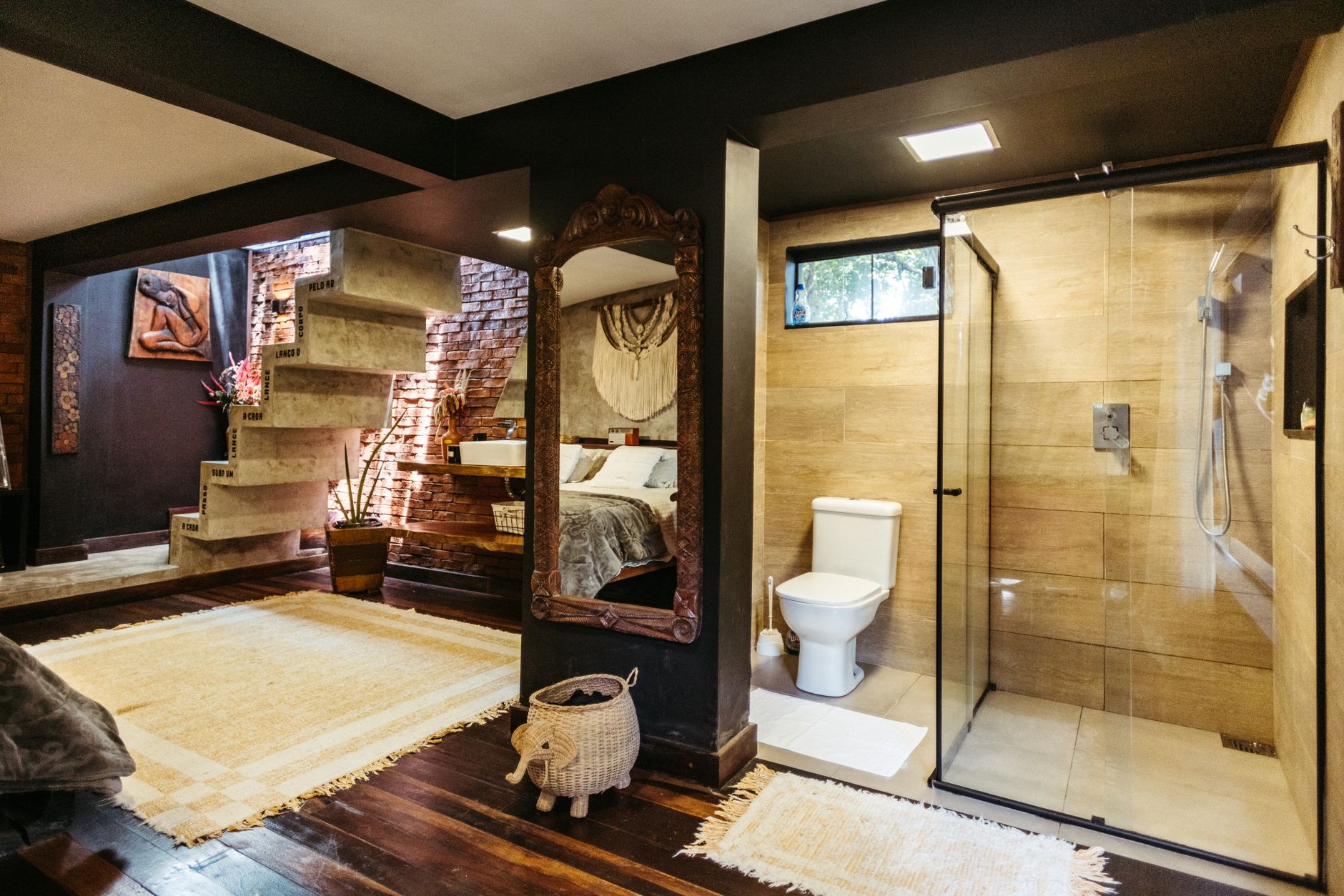
The short-term rental landscape just shifted again. With Airbnb’s latest algorithm updates prioritizing booking consistency over raw nightly rates, and cities like New York, Los Angeles, and Paris tightening restrictions on stays under 30 days, thousands of hosts are discovering what industry insiders have known for years: midterm rentals aren’t just a backup plan—they’re often more profitable than the traditional STR model.
This Airbnb midterm rental strategy guide breaks down exactly how to transition your property (or launch a new one) for 30-day-plus bookings. You’ll learn why travel nurses, remote workers, and displaced homeowners pay premium rates for month-long stays, how to price these bookings without leaving money on the table, and the operational shifts that make midterm hosting significantly easier than weekend turnovers.
Why Midterm Rentals Are Outperforming Traditional STR in 2026
The numbers tell a compelling story. While average daily rates for short stays have plateaued in most major markets, midterm rental demand has surged 34% year-over-year according to recent industry data. The driving forces are structural, not seasonal.
Remote work didn’t disappear—it evolved. Companies now hire talent globally but require occasional in-person collaboration, creating a new class of “business nomads” who need 1-3 month housing solutions. Meanwhile, insurance companies are placing displaced families in midterm rentals at record rates due to climate-related property damage, and the travel healthcare industry continues its post-pandemic expansion.
The operational math is equally persuasive. A property generating $4,500 monthly from 15 weekend turnovers at $300/night faces roughly $900 in cleaning costs, $400 in supplies, and 45+ hours of guest communication and coordination. That same property rented at $3,800 monthly to a single midterm guest eliminates most variable costs while reducing wear-and-tear by approximately 60%.
Key advantages over traditional STR:
- Predictable cash flow: Monthly payments hit your account like clockwork, eliminating the feast-or-famine booking cycles
- Reduced regulatory risk: Most jurisdictions with STR restrictions exempt 30+ day rentals entirely
- Lower platform dependency: Direct booking relationships develop naturally when guests stay longer
- Minimal furnishing requirements: Midterm guests bring their own linens, kitchen supplies, and personal items
Identifying Your Ideal Midterm Guest Avatar
Not all 30-day guests are created equal. Your pricing, amenities, and marketing approach should target specific demographics with distinct needs and budgets.
Travel healthcare professionals represent the gold standard for midterm hosting. These nurses, therapists, and technicians typically receive $1,500-$2,500 monthly housing stipends on top of their salaries. They book 13-week assignments (the standard contract length), often extend for additional months, and prioritize properties within 15 minutes of major medical centers. They’re quiet, professional, and treat your space like a temporary home rather than a vacation rental.
Corporate relocators and project-based workers offer similar reliability with potentially higher budgets. Tech companies, consulting firms, and construction management teams regularly need 2-6 month housing for employees transitioning between offices or managing regional projects. These guests often book through corporate housing platforms but increasingly search Airbnb directly to avoid markup fees.
Insurance housing placements provide the most stable income stream but require different operational approaches. When families are displaced by fire, flood, or major repairs, insurance companies pay premium rates for quality housing—often $150-$200 per day for properties that might otherwise rent at $120 nightly. The tradeoff involves working with third-party housing coordinators and accommodating families with children and pets during stressful transitions.
Digital nomads and remote workers round out the midterm ecosystem. While their budgets vary widely, they typically seek properties with dedicated workspace, reliable high-speed internet, and locations offering lifestyle amenities. They’re less predictable than healthcare travelers but often book repeat stays and refer colleagues.
Pricing Strategies That Maximize Revenue Without Scaring Away Guests
Midterm rental pricing requires abandoning the nightly rate mentality entirely. Instead, think in terms of monthly value propositions that undercut extended-stay hotels while reflecting your property’s true utility.
Start by calculating your minimum viable monthly rate: your mortgage, utilities, insurance, and platform fees, plus 20% for maintenance reserves. This is your absolute floor. Then research comparable midterm listings in your market—filter Airbnb for 30+ day stays and note what properties with similar bedroom counts and amenities actually charge.
The sweet spot typically falls 15-25% below extended-stay hotel rates for comparable quality. A property that might command $150 nightly as a short-term rental often performs better at $3,600-$4,200 monthly ($120-$140 effective nightly rate) with dramatically lower operating costs.
Advanced pricing tactics:
- Tiered discounting: Offer 10% off for 30-59 days, 15% for 60-89 days, and 20% for 90+ days to encourage longer commitments
- Seasonal adjustment: Raise rates 10-15% during peak travel nurse assignment start dates (January, July, September)
- Utility caps: Include utilities up to a specified amount ($200-$300 monthly) with guests paying overages—protects against extreme usage while keeping base rates attractive
- Corporate rate premiums: Charge 10-15% above market for direct corporate bookings with flexible cancellation terms
Listing Optimization and Marketing for 30+ Day Stays
Your listing copy and photography need strategic adjustments to attract midterm guests. These travelers evaluate properties through a different lens than weekend vacationers.
Lead with workspace functionality. Show a dedicated desk with ergonomic chair, task lighting, and visible outlets. Mention internet speed specifically—“500 Mbps fiber” converts better than “fast WiFi.” Include photos of the workspace from multiple angles, and if possible, show a laptop setup with coffee cup to suggest livability.
Rewrite your description for lifestyle integration, not vacation highlights. Instead of “walking distance to nightlife,” emphasize “quiet neighborhood with grocery stores, gyms, and coffee shops within 5 minutes.” Mention parking availability, laundry access, and kitchen equipment quality. Midterm guests cook most meals—highlight your full-size refrigerator, quality cookware, and dishwasher.
Photography priorities shift significantly:
- Bedroom storage: empty closet shots showing hangers and drawer space
- Kitchen completeness: open cabinets revealing dishware, pots, and pantry space
- Bathroom functionality: water pressure visible in shower photos, counter space for toiletries
- Workspace: natural light, comfortable seating, and professional background for video calls
Adjust your minimum stay settings strategically. Rather than a hard 30-day minimum that hides your listing from shorter searches, consider 28-day minimums (capturing month-long searches while allowing slight flexibility) or 7-day minimums with aggressive weekly discounts that naturally filter for longer stays.
Operational Systems for Hands-Off Midterm Hosting
The operational transition from short-term to midterm hosting requires rethinking every system you’ve built. The goal shifts from rapid turnover efficiency to relationship management and preventive maintenance.
Communication cadence changes fundamentally. Instead of pre-arrival, check-in, and checkout messages, you’ll establish weekly check-ins during the first month, then bi-weekly thereafter. Create templates for common midterm scenarios: maintenance requests, package deliveries, guest visitors, and lease extension discussions.
Cleaning and maintenance move from reactive to scheduled. Offer optional bi-weekly cleaning for $75-$100 (most guests decline but appreciate the option). Schedule quarterly deep cleans and HVAC filter changes. Provide guests with basic supplies—vacuum, mop, cleaning sprays—and clear expectations for property upkeep.
Payment and legal structures need professionalization. While Airbnb handles payments for platform bookings, many midterm guests prefer direct arrangements after initial stays. Consult local regulations regarding month-to-month leases versus license agreements. Some hosts require security deposits for direct bookings; others use services like Zillow Rental Manager or Avail for background checks and payment processing.
Essential systems to implement:
- Digital welcome book with appliance instructions, trash schedules, and neighborhood guides
- Maintenance request form (Google Forms works fine) with 24-hour response commitment
- Emergency contact protocol distinguishing urgent issues from routine requests
- Property inspection schedule (quarterly walkthroughs with 48-hour notice)
Making the Transition: Your 90-Day Midterm Rental Launch Plan
This Airbnb midterm rental strategy guide only works if you implement it systematically. Here’s your practical roadmap for the next three months.
Month one: Research and reposition. Analyze your local midterm competition, identify your target guest avatar based on nearby employers and medical facilities, and adjust your listing copy and photos. Update pricing with monthly discounts and test different minimum stay settings.
Month two: System building. Create your operational templates, establish relationships with local cleaning services willing to do mid-stay refreshes, and set up your maintenance response protocols. Join Facebook groups for travel nurses and corporate housing to understand guest pain points directly.
Month three: Launch and optimize. Open your calendar for 30+ day bookings, respond to inquiries within 2 hours (midterm guests often book quickly), and request detailed reviews from your first guests emphasizing cleanliness, communication, and workspace quality.
The hosts winning in 2026 aren’t chasing every weekend booking—they’re building sustainable income streams with guests who stay longer, treat properties better, and generate referrals. Your midterm rental strategy starts with your next calendar update.