The Complete Airbnb Self Check In Guide: Smart Lock Options That Actually Work in 2026
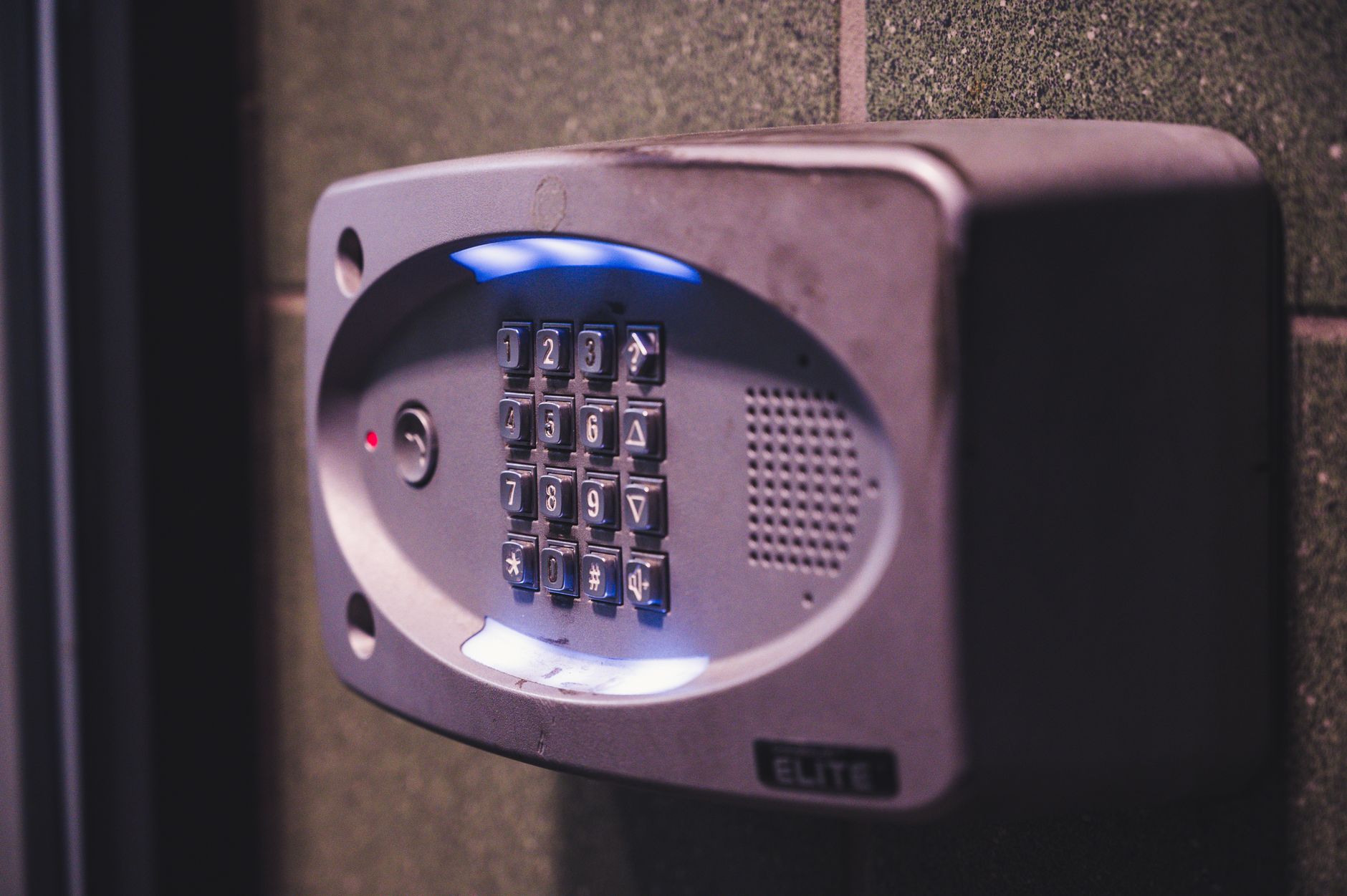
The short-term rental landscape just shifted again. With Airbnb’s summer 2026 platform updates doubling down on “seamless stays” as a ranking factor, hosts who haven’t solved self check-in are now bleeding both search visibility and revenue. Meanwhile, guest expectations have hardened: 73% of travelers now expect contactless entry as a baseline, not a perk, according to recent STR industry data. The hosts winning right now? They’re treating their entry system as a profit center, not an afterthought.
This Airbnb self check in guide: smart lock options breaks down exactly what works in 2026—from hardware that survives real-world abuse to the automation tricks that turn a lock into a five-star review magnet.
Why Self Check-In Became Non-Negotiable (And What Poor Execution Costs You)
Let’s talk numbers. Hosts with frictionless self check-in average 12% higher occupancy rates, per AirDNA’s latest market reports. But “frictionless” is the operative word. A lock that fails once every twenty guests doesn’t just create a bad review—it creates an operational crisis.
The hidden cost isn’t the one-star review. It’s the 2 AM phone call, the emergency locksmith fee, the guest who demands a partial refund, and the calendar block you didn’t plan for. I’ve seen hosts lose $400+ on a single failed check-in when you tally direct costs, opportunity costs, and reputation damage.
Three factors now separate functional self check-in from exceptional:
- Reliability under stress: Batteries die, Wi-Fi hiccups, guests mistype codes. Your system needs graceful failure modes.
- Integration depth: The lock should trigger welcome messages, cleaning notifications, and review requests without manual intervention.
- Guest comprehension: The most secure lock fails if your 70-year-old guest can’t operate it in the dark while juggling luggage.
The Smart Lock Categories Worth Your Money in 2026
Not all smart locks are built for STR environments. Consumer-grade hardware optimized for single-family homes often crumbles under turnover volume. Here’s what’s actually holding up for hosts running 100+ guest stays annually.
Wi-Fi-Connected Locks: Convenience With a Caveat
August Wi-Fi Smart Lock Pro and Yale Assure Lock 2 with Wi-Fi modules dominate this category. Real-time status updates, remote unlocking for emergencies, and instant code generation are genuine advantages.
The catch? Wi-Fi locks are battery vampires. Expect 3-4 month battery life under heavy use versus 12+ months for Z-Wave alternatives. Hosts in rural or weak-signal locations report 15-20% failure rates for remote commands. Budget for lithium batteries and a backup power solution.
Best for: Urban properties with strong mesh networks, hosts who prioritize remote management over battery longevity.
Z-Wave and Zigbee Locks: The Reliability Workhorses
Schlage Connect with Z-Wave and Yale Real Living Z-Wave modules remain the STR workhorses. Battery life stretches to 12-18 months. Local network control means your lock functions even when internet drops—critical for properties in mountainous or coastal areas with spotty connectivity.
The trade-off is hub dependency. You’ll need a SmartThings, Hubitat, or similar controller. Setup complexity is higher, but operational stability is unmatched. One host I spoke with in the Smoky Mountains ran 340 guest stays in 2025 on a single Schlage Z-Wave lock with zero battery replacements.
Best for: Remote properties, high-volume hosts, anyone prioritizing “it just works” over flashy features.
Bridge/Hybrid Solutions: The 2026 Sweet Spot
Igloohome Smart Mortise 2 and RemoteLock 7i represent the evolving middle ground. These use Bluetooth for local operation with periodic Wi-Fi syncing, or cellular backup modules that bypass property internet entirely.
Igloohome’s “algoPIN” technology generates time-sensitive codes without real-time connectivity—guests get codes that activate at check-in time regardless of whether your property has internet. RemoteLock’s enterprise platform integrates directly with Airbnb, Vrbo, and Booking.com calendars, auto-generating and expiring codes.
The price premium is 30-40% over basic smart locks. For hosts managing 3+ properties, the automation savings typically recover costs within 4-6 months.
The Automation Stack That Turns Locks Into Review Gold
Hardware is only half the equation. The hosts getting disproportionate returns have built automation around their entry system that guests experience as effortless hospitality.
Here’s a proven 2026 workflow:
72 hours before arrival: Guest receives personalized message with lock code, property-specific entry video (2-3 minutes, filmed on your phone), and local recommendations triggered by their booking dates.
Check-in day, 10 AM: Lock code activates. Cleaning crew gets automatic “property clear” notification if no occupancy detected by 11 AM.
Check-in time: Guest receives truncated reminder with code and one critical instruction (usually “the lock beeps twice—if you hear three beeps, the code didn’t register, try slower”).
30 minutes post-entry: Welcome message triggers with Wi-Fi password, thermostat control instructions, and “hidden gem” recommendation tailored to their stay purpose.
Checkout morning: Departure instructions auto-send. Lock code expires precisely at checkout time. If guest hasn’t departed, host gets alert with option to extend or initiate late checkout fee.
Tools making this accessible: Hostfully for guidebook integration, Breezeway for operations orchestration, Smartbnb (now part of Guesty) for messaging automation, and Zapier connections for custom triggers.
One critical detail: always maintain manual override capability. A physical key in a lockbox with a backup code, communicated only in emergencies, has saved every experienced host I’ve interviewed at least once.
Installation Realities Most Guides Gloss Over
YouTube makes smart lock installation look like a 20-minute Saturday project. For STR hosts, the stakes demand more rigor.
Door fit matters enormously. Smart locks add 15-30mm of depth to your door interior. In older properties with narrow door frames or screen door conflicts, this creates binding that kills batteries and frustrates guests. Measure twice, and budget for door modification if needed.
Strike plate alignment is the silent killer. A misaligned strike that requires push-pull manipulation to engage might work for you after practice. Your guest arriving at midnight after a delayed flight will stand in the dark, increasingly panicked, while your phone buzzes. Use extended lip strike plates and test with luggage in both hands, eyes half-closed.
Environmental sealing: STR properties see more weather exposure than owner-occupied homes—guests leave doors propped, forget to lock during storms. IP ratings matter. The August Wi-Fi Pro’s lack of weather sealing has generated consistent complaints from coastal hosts; the Yale Assure Lock 2 with rubber gasket performs better.
Network infrastructure: If you’re running Wi-Fi locks, install a dedicated access point or Wi-Fi extender within 10 feet of the door. Guest network congestion during peak hours causes authentication failures that register as lock failures.
Security Considerations Beyond the Hardware
Smart locks shift your security model. Physical lockpicking becomes irrelevant; digital attack vectors become relevant.
Code hygiene: Never reuse codes between guests. Automated systems handle this, but manual hosts often slip. Rotate administrative codes quarterly. Disable voice assistant integration—Alexa and Google Home unlock commands have been exploited through open windows.
Access logging: Use locks with detailed event logs. The host who discovered their cleaner was arriving 45 minutes late consistently, or that a guest had “checked in” three hours before their stated arrival, gained operational intelligence worth far more than the lock’s cost.
Physical redundancy: Electronic locks should supplement, not replace, physical security. Deadbolts still matter. Window sensors on ground-floor units. The “smart” in smart lock refers to convenience and logging, not invulnerability.
Making Your Decision: A Host Framework
Choose based on your operational profile, not feature lists:
| Your Situation | Recommended Approach | Budget Range |
|---|---|---|
| Single property, urban, tech-comfortable | Wi-Fi lock + SmartThings basic automation | $200-350 |
| Single property, rural/remote | Z-Wave lock + dedicated hub | $250-400 |
| 2-5 properties, growth phase | Hybrid bridge lock + operations platform | $400-700 per property |
| 5+ properties or management business | Enterprise platform (RemoteLock, Operto) with unified access | $800-1500 initial, $15-40/month per property |
The cheapest lock that meets your reliability needs, integrated with automation that eliminates manual touchpoints, will outperform the most feature-rich lock operated manually.
The Bottom Line on Building Your Self Check-In System
This Airbnb self check in guide: smart lock options isn’t about buying a gadget—it’s about building a guest experience that scales without your constant attention. The hosts thriving in 2026’s more competitive STR market have recognized that check-in is your first and most formative impression. A smooth entry sets the psychological frame for the entire stay. A frustrating one creates confirmation bias that magnifies every subsequent minor issue.
Start with your property constraints: door condition, network quality, climate exposure. Match hardware to those realities, not to feature excitement. Layer automation that anticipates guest needs before they become questions. Test ruthlessly with friends who resemble your typical guest demographic, not with your own practiced familiarity.
The technology is mature enough that there’s no excuse for check-in friction in 2026. The competitive advantage now lies in execution depth—how completely you’ve eliminated the need for guests to think, or for you to intervene.